Blog·
Distribution center vs. manufacturing plant: how go-live looks different from above
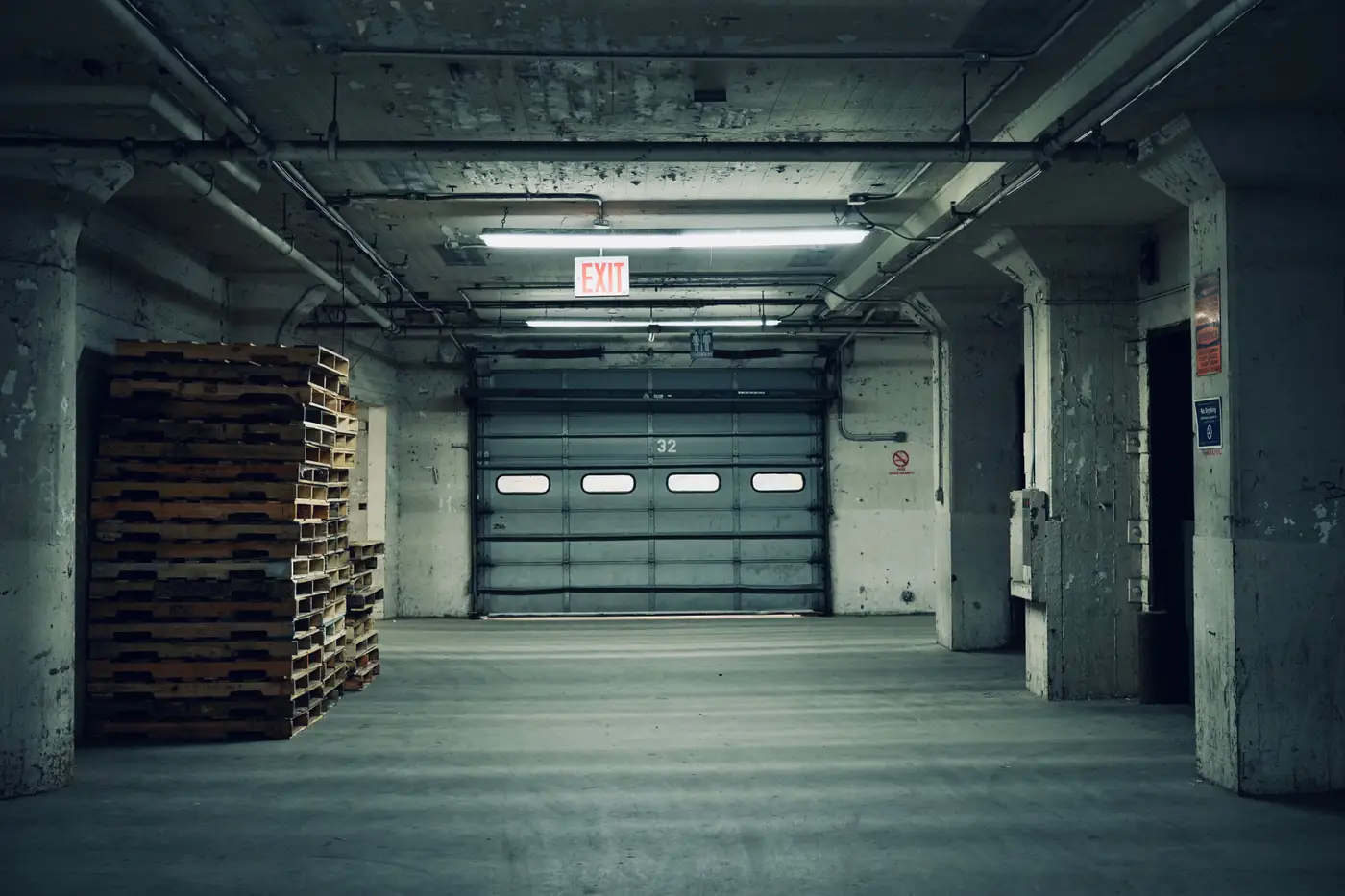
A distribution center and a manufacturing plant go live in completely different ways, and if you're watching either one from the sky, the signals you're looking for aren't the same. Mix them up and you'll either call go-live weeks early, chasing a site that's just doing final punch-list work, or miss it entirely because you were watching for the wrong thing.
What a DC go-live looks like
A distribution center's whole job is moving freight through dock doors, so that's where the tells show up first.
Trailer counts at the dock wall are the single best early signal. A finished DC with no tenant sits with every dock door closed and the yard empty, maybe one or two maintenance vehicles near the office entrance. The first sign of real operation is trailers backed into multiple doors at once, not just one or two parked for staging. Give it a few weeks and you'll see a pattern: trailers cycling through on a rhythm, not just sitting parked.
Employee parking lot fill is the second tell, and it's often faster to read than the dock wall. A DC that's hiring and ramping fills its lot in a way that's visible well before the building hits full throughput. You'll see rows filling from the entrance outward over successive weeks rather than a sudden jump, because warehouse staffing ramps in waves as shifts get added.
Yard trailer staging is the third piece. Once a DC is running at any real volume, loaded and empty trailers start parking in the yard itself, not just at the dock, because there isn't always an open door the second a truck arrives. An empty, paved yard with painted trailer slots and nothing in them is a dead giveaway that the building, however finished it looks, isn't moving freight yet.
What a plant go-live looks like
Manufacturing is slower to start and the signals are different because the building isn't about trucks coming and going, it's about making something.
Rail spur activity matters here in a way it rarely does at a DC. If the plant has a rail connection, cars sitting on the spur, and more importantly cars being swapped out week over week, that's the signal raw material is moving through the line. A spur with grass growing through the ballast and no cars on it says the plant isn't running inputs yet, no matter what the permit filing claims.
Outdoor process equipment is the other big one. Cooling towers, tank farms, and exterior HVAC or compressor skids tend to sit idle and visually clean before startup, and then show wear patterns, condensation staining, or steam once they're running. A plant with a brand-new tank farm that's been sitting untouched for three months isn't running product through it yet.
Employee lot fill still applies at a plant, but it reads differently than at a DC. Plant ramps tend to bring on a smaller, more skilled workforce in a tighter window rather than adding shift after shift, so the lot often jumps from mostly empty to meaningfully full over a couple of weeks rather than filling gradually. Outbound truck activity at the shipping dock also tends to lag the rail or inbound-material signal by weeks, since the plant has to produce something before it ships.
Why the distinction matters for your contract clock
If you're tracking a site for a janitorial, waste, landscaping, or consumables contract, the DC and the plant down the road from each other can hit go-live months apart even if they broke ground the same quarter. Reading a plant's rail spur with a DC checklist, or reading a DC's dock wall with a plant checklist, gets you the wrong week. And the wrong week means a competitor's rep gets the walk-through before you do.
A permit filing or a press release tells you a facility is coming. It doesn't tell you the week trucks start cycling through the dock or the week the cooling tower starts steaming. That's a different kind of watching, and it's what Go-Live Detection is built to do: a dated alert per site, delivered weekly, the week the signals actually show up.
If you've got a list of sites sitting finished and empty right now, it's worth putting a weekly eye on them before someone else does.