Blog·
Field notes: the bid we lost because we called two weeks too late
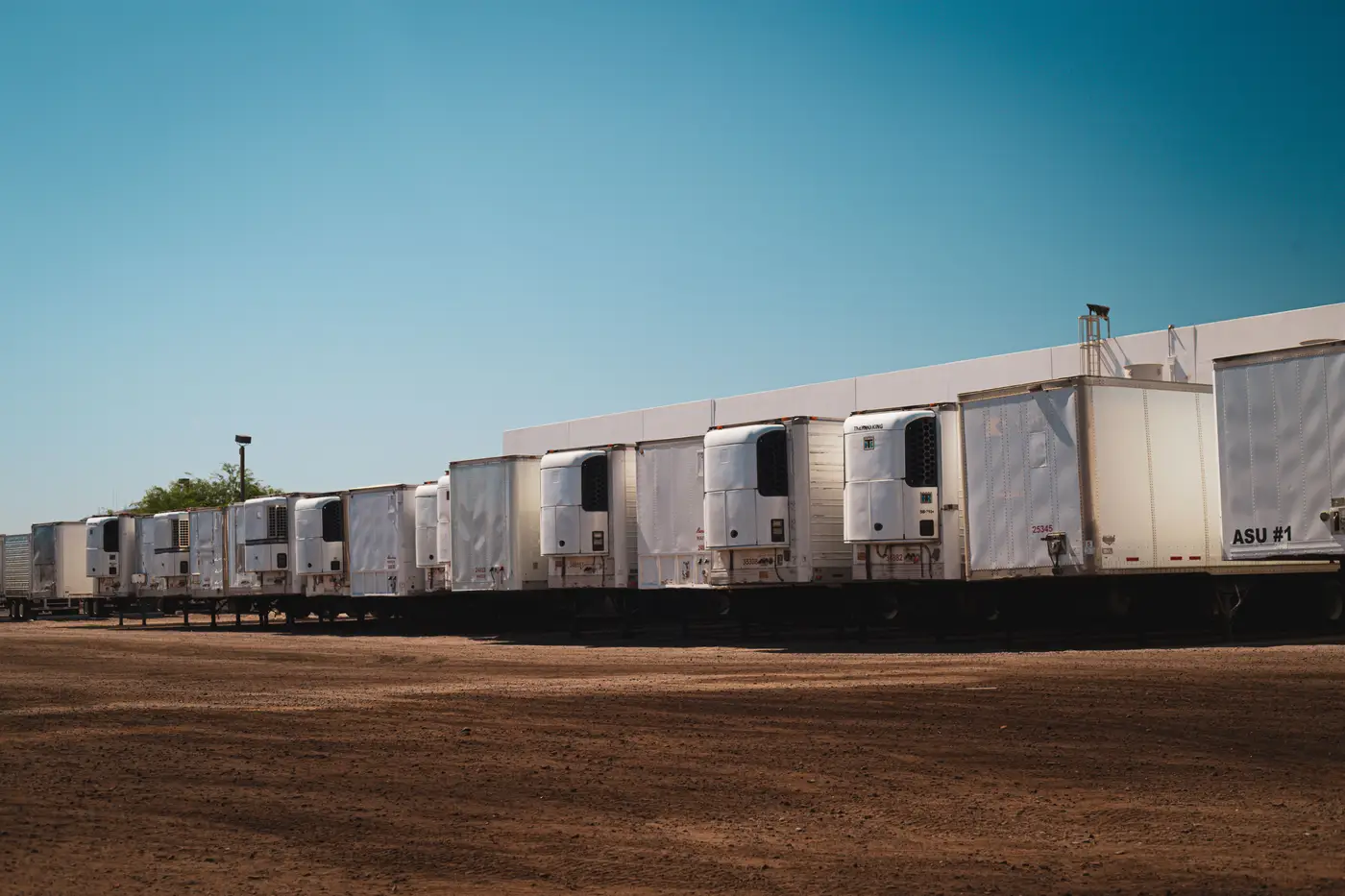
We had the relationship, the pricing sheet ready, and the regional VP's cell number saved under his first name. What we didn't have was a reason to call on a Tuesday in March instead of the Tuesday two weeks later, and that gap is the whole story.
The building was a 340,000 square foot cross-dock outside Fort Worth, built for a logistics tenant whose name had been on the permit filing since the previous fall. Permits don't tell you when a building goes live. They tell you when somebody intended to build one, which in this business can mean anywhere from four months to never. So we did what everyone does: we put it on the list, we checked in with the GC's office every few weeks, and we waited for someone to tell us the tenant had signed a move-in date.
Nobody told us. The tenant's ops team had their own consumables vendor lined up before the dock doors were even hung, and that vendor's rep happened to drive the frontage road on his way to a different account. He saw forklifts staged in the yard, called his contact that afternoon, and had a signed agreement before our next scheduled touchpoint. We found out when our contact mentioned it like old news. "Oh, we went with Reliance a couple weeks back. Didn't you hear?"
Two weeks. That's the whole margin in this business for a site that doesn't have an existing service history. Once trucks are staging and racking is going in, the facility manager is already fielding calls, and the first rep who shows up with a reasonable number gets taken seriously because showing up at the right moment reads as competence, even when it's just luck.
What stuck with me afterward was how little separated us from the rep who won it. Accounts get lost. That part didn't bother me. He had no better relationship with the tenant and no lower price. He had a commute that happened to pass the right parking lot at the right week, and a habit of paying attention to what he saw out the windshield.
Since then our team has gotten more disciplined about treating "permitted, not yet occupied" as its own pipeline stage, one that gets checked on a cadence instead of a hunch. A few guys still drive routes past sites they're tracking, which works until you're carrying forty prospective sites across three states and can't be in all of them every week. We needed something watching those sites for us instead of a sharper memory for which buildings to check. A site sitting empty on the satellite one week and showing stacked pallets and staged trucks the next should flag itself, instead of waiting on a windshield to pass by it. That's closer to how Go-Live Detection is set up to work: a dated alert the week a site stops looking finished-but-empty and starts looking like a business running out of it.
We rebid against Reliance a year later when their contract came up for renewal and won it back. I still think about that frontage road more than I'd like to. Two weeks is nothing measured against a multi-year contract term, but it's the entire window between a building looking finished and a building running trucks, and whoever notices that window first usually writes the first invoice.
If you're tired of finding out a site went live from the facility manager instead of from your own pipeline, it's worth seeing what a weekly go-live flag looks like before the next building beats you to it.