Blog·
Field notes: three go-lives, four states, one week
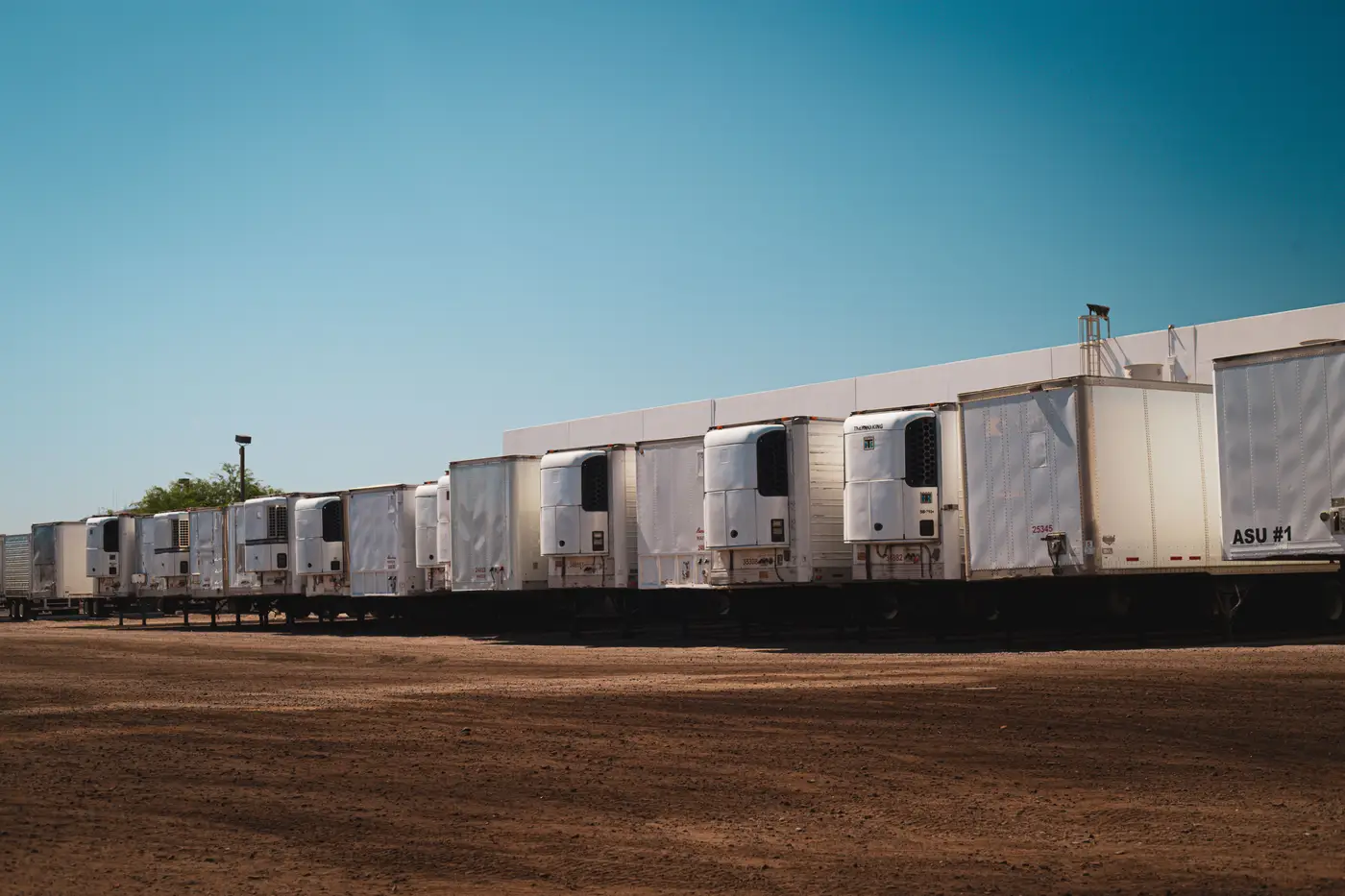
Three sites went live in four states during the same week this past October. None of these facilities had anything to do with each other, and the companies behind them have never sat in the same room. But anyone watching the lots instead of the permit boards would've caught the same signal three times in six days.
Ohio, Tuesday. A cold-storage addition outside Columbus had sat finished and empty since July, dock doors installed, parking lot striped, not one reefer trailer on the apron. On Tuesday, four tractors pulled in and parked in a row along the fence line, engines off, the way a fleet stages ahead of a walkthrough. By Thursday there were pallets stacked under the canopy. The building had been "done" for three months. It went live in two days.
Tennessee, Wednesday. A distribution center near the interstate had the opposite problem: the shell was finished in June, and the gravel lot behind it sat bare through July, August, and September, long enough that weeds pushed up through the gravel and a couple of regional reps quietly wrote the account off as dead. Then, overnight, forty-foot trailers filled the lot nose to tail, the way a facility stages inbound freight before its first full shift. No fanfare, no press release. Just trucks where there weren't any trucks the week before.
Idaho, Friday. A hospital expansion wing had dragged the way hospital additions always drag, one inspection stacked on the next. The loading dock gave it away this time, not the parking lot. For months there'd been nothing back there but a dumpster. On Friday, two box trucks and a pallet jack sat in the open bay, the first delivery of linens or med supplies or whatever a new wing needs on day one.
None of these three had anything in common except the shape of the week. A building sits finished and quiet for months, sometimes most of a year, and then in the space of a few days it stops being a construction project and starts being an operating facility. That's the week service contracts get let: janitorial, landscaping, waste, consumables, whatever the building needs to keep running. It's also the week the sales team that's been checking the permit filing every quarter finally notices, usually a month after someone else's rep already made the call.
The permit record told you a building was coming. It never told you when the building actually opened its doors. Those are different dates, sometimes by a year, and the gap between them is where accounts get lost to whoever noticed first. A national accounts team can't put eyes on every site in their territory every week, and checking in by phone invites the same answer every time: "not yet, we'll let you know." Nobody calls back.
What connects Columbus, the Tennessee lot, and the Idaho dock bay isn't geography. It's that each site went from empty to active inside a single week, and the only reliable way to catch that week is to watch the lot itself, not the paperwork that preceded it by months. That's the premise behind Go-Live Detection: a weekly check on sites you already know are coming, flagging the week vehicles land in the lot or the apron starts moving, so the call goes out while the contract's still open instead of after someone's already signed it.
Three sites, four states, one overlooked week each. If that's the pattern in your territory too, it's worth catching before the next one slips past.